

Our Approach
Root to Rise brings together education, lived experience, community and complementary wellbeing.
We work alongside the medical model, while recognising that prescriptions and consultations do not address every part of a person’s experience.

Our foundations
-
Working alongside our partner clinics, we’re developing resources to support reflection, discussion and informed decision-making in navigating the complexity of medicinal cannabis care.
-
Community helps reduce isolation and brings people together around common questions, values and experiences in medicinal cannabis and broader wellbeing.
-
We recognise that wellbeing is not only intellectual. It may also be explored through movement, breath, rest, mindfulness and other complementary practices.
Beyond consultations

We recognise that medical care provides access, assessment and treatment.
Access has improved, product choice has expanded and more people can now legally obtain medicinal cannabis. Yet many still encounter rushed consultations, fragmented support, stigma, uncertainty and systems that do not always reflect the complexity of their experience. People are still left to navigate questions of uncertainty, trial and error, daily wellbeing and their relationship with plant medicine largely on their own.
We create opportunities for people to learn, connect and explore complementary approaches to wellbeing without replacing their relationship with qualified healthcare professionals.
Evidence and lived experience
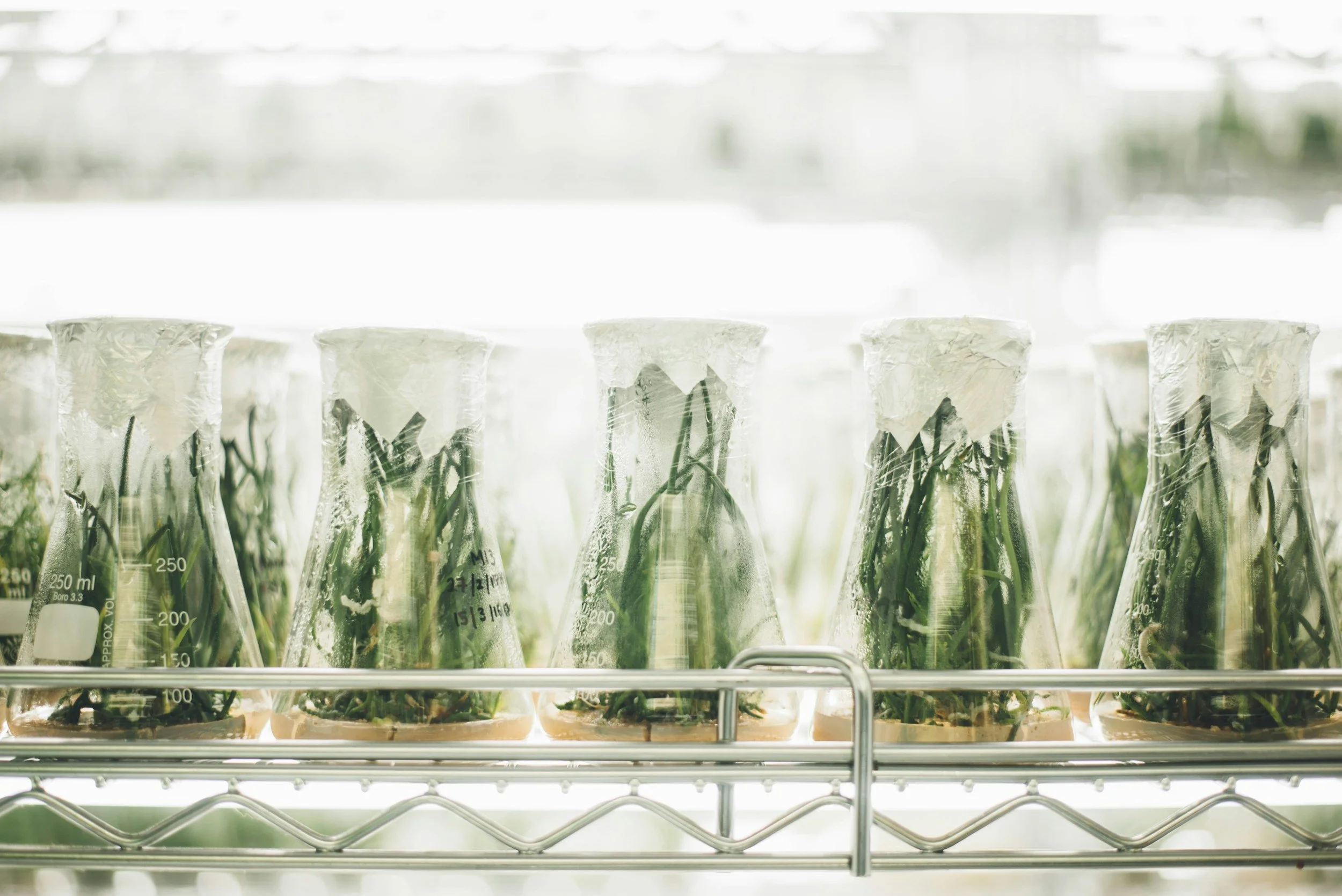
We value scientific evidence, professional knowledge as well as lived experience.
Evidence helps us understand what is known, what remains uncertain and where caution is required. Lived experience helps us understand how systems, practices and plant medicine are actually experienced in people’s lives.
We do not treat personal experience as clinical proof. We also do not dismiss it simply because it cannot always be captured within a consultation or research study.
Our role is to hold both with curiosity, context and care.
Peer support

Peer support is grounded in shared experience, mutual respect and connection.
It creates space for people to speak openly about what they have experienced, what has helped, what remains difficult and what they wish existed within the current system.
Peer support is not about giving medical advice or telling others what they should do. It is about listening, exchanging perspectives and helping people feel less isolated as they make sense of their own experience.
Where peer-led programs are offered, they will be developed with clear boundaries, appropriate facilitation and respect for privacy, consent and participant agency.
Collaboration
Root to Rise is built through collaboration.
We work with practitioners, educators, clinicians, peer support, facilitators and community partners who bring different forms of knowledge and experience to the collective.
We believe no single profession or perspective holds the whole answer. Our aim is to create respectful exchange between clinical knowledge, complementary practice and lived experience.
What we don’t do
Root to Rise is not a clinic and does not provide diagnosis, prescriptions, medicines, individual treatment plans or medical advice.
Our role is to support education, reflection and connection, while maintaining clear professional and ethical boundaries.
We believe people deserve more than access alone.
They deserve information they can understand, spaces where they can speak openly and opportunities to explore wellbeing with greater intention, agency and connection.